The real cost of bike maintenance: we did the math
The budget most cyclists underestimate
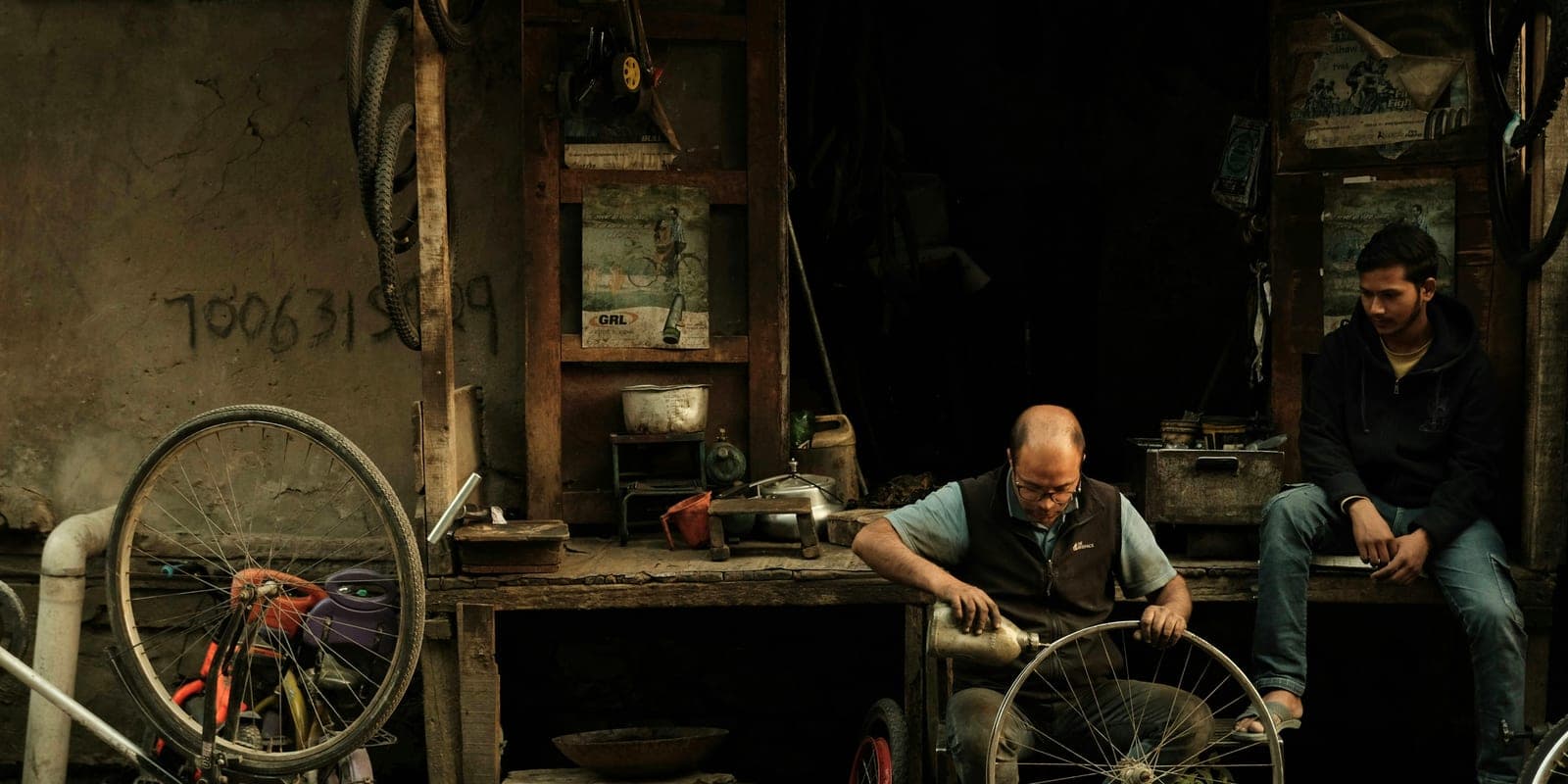
"Bikes cost nothing to maintain." You hear it all the time. It's almost true. But between "almost nothing" and "nothing at all", there's a budget most of us forget to count. One that doubles fast when you skip maintenance.
Wear parts: what they actually cost
On a mid-range commuter bike, here's what it looks like, part by part.
| Component | Avg. price | Lifespan |
|---|---|---|
| Chain | €15–35 | 3,000–5,000 km |
| Cassette | €30–80 | 6,000–10,000 km |
| Brake pads | €15–30 | 3,000–5,000 km |
| Tires (pair) | €50–100 | 4,000–8,000 km |
| Cables & housing | €15–25 | 5,000–10,000 km |
| Bottom bracket | €20–50 | 10,000–15,000 km |
| Brake rotors | €30–60 | 10,000–15,000 km |
| Bar tape / Grips | €10–25 | 5,000–15,000 km |
The per-kilometer math
For a daily commuter doing 5,000 km per year, here's roughly what you replace over two years:
- 2 chains: €50
- 1 cassette: €50
- 2 sets of brake pads: €50
- 1 pair of tires: €70
- Cables & housing: €20
Total parts: €240 over 10,000 km, or 2.4 cents per kilometer. Add an annual shop tune-up (€75–100), and you're at about 4–5 cents per km. For a 10 km round-trip daily commute, that's less than one euro a day. Realistic budget: €200 to €250 per year for a daily-use bike.
What actually blows up the budget
These numbers assume regular maintenance. Without tracking, things go south fast: a worn chain eats into the cassette, dead brake pads scratch the rotor. One cheap part ignored leads to an expensive one behind it.
A concrete example: a €25 chain replaced on time protects a €60 cassette. Too late, and the cassette goes with it. Even though it could have lasted two more chains.
The key is knowing your chain has done 4,000 km and it's time to act. But nobody really counts their kilometers in their head. You always realize a bit too late.
Track your costs without thinking about it
That's exactly why we built ChainLog. The app connects to Strava, counts the kilometers for you, and alerts you before things break.
When you swap a part, you log the cost, snap a photo of the receipt, and the counter resets. Over time, you get a complete history of what your bike really costs you.
And when you sell, that history changes everything. A buyer who sees the services, the parts replaced, the documented mileage, that's a buyer who trusts you. And pays the asking price.