Buying a used bike without getting burned
What to check before you hand over the money
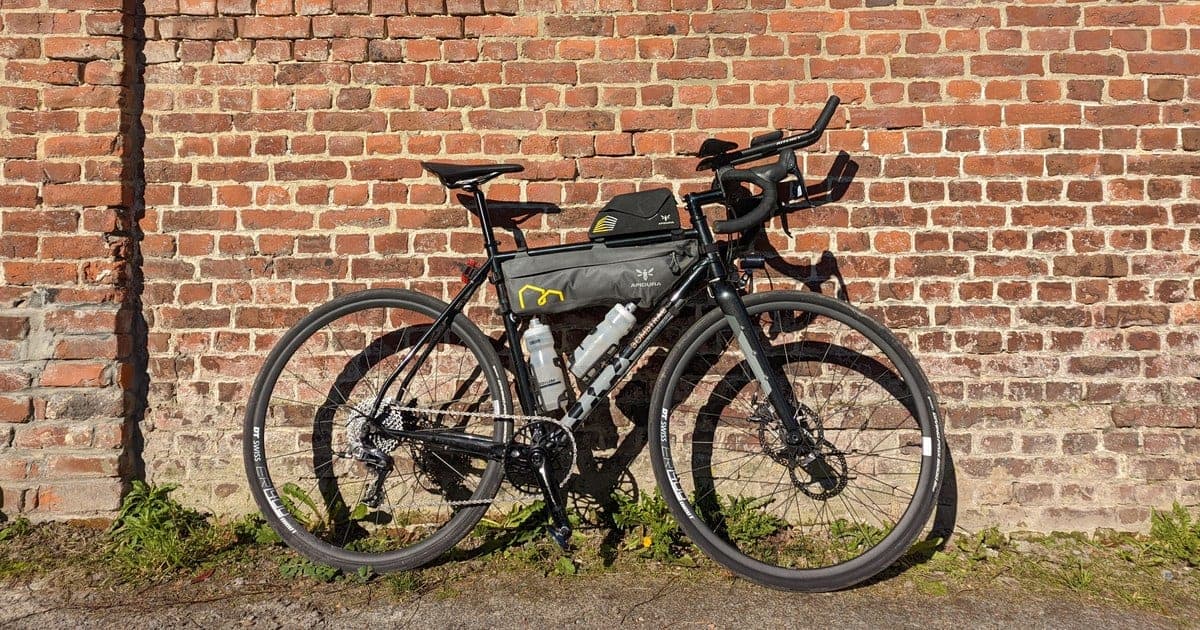
The used bike market has exploded in recent years: hundreds of millions in trades, scattered across platforms like Craigslist, Facebook Marketplace, Pinkbike, and private sales. The good deals are real. So are the scams.
- Chain checker (~$6)
- Flashlight
- Smartphone (photos, registry)
- Calipers for rotors
Why you need to be careful right now
Unlike a car, a bike has no official service record and no inspection. You're usually buying blind: the age of the chain, total mileage, past crashes... everything rests on what the seller tells you. Here's what to check before you close the deal.
The 10-minute inspection, point by point
Before you even ride it, a bike tells its story. Work through it in this order.
- 1
The chain
A chain checker (around $6) tells you if it's fine, worth watching, or ready for the bin.
TipA very worn chain on a supposedly "barely ridden" bike is a red flag: the stated mileage is probably wrong. - 2
Cassette and chainrings
Shark-fin teeth (instead of even, symmetrical ones) mean a worn drivetrain. Replacing chain, cassette, and chainrings adds up to $150-$300 fast.
- 3
Brakes
For pads, check remaining thickness. For disc brakes, measure rotor thickness (a minimum is etched on them) and check pad wear. Glazed or warped rotors mean replacement.
- 4
Tires
Cracked rubber, split sidewalls, flattened center tread. Tires age even when stored.
- 5
Wheels
Spin them freely and watch for wobble, hops, or loose spokes. On rim brakes, check the wear indicator groove on the braking surface.
- 6
Bearings
Check for play in the headset, bottom bracket, and hubs. Any play means a rebuild.
- 7
The frame
Inspect stress zones (chainstays, seatstays, welds). Even a hairline crack disqualifies the sale. On carbon, watch for impacts, matte spots, or spider cracks.
If several of these come up, negotiate hard or walk away.
The test ride
Static inspection only tells you so much. Ask to ride it before you buy.
- Check the fit. Standing over the top tube, you should have a few centimeters of clearance. Seated with hands on the hoods, the position should feel right: not stretched out, not cramped.
- Ride for at least 10 minutes on real roads, not just around the block.
- Test every gear under load (climbing or with resistance). A drivetrain that skips under power but spins fine isn't good enough.
- Test both brakes separately. Vibration, a lever that pulls all the way to the bar, unusual noises: take them seriously.
- Listen carefully: creaks from the bottom bracket, clicks from the headset, ticks from the frame... any noise that shouldn't be there needs explaining.
If the seller refuses a test ride without a good reason, that's a signal.
Questions to ask the seller
A seller acting in good faith will have no trouble answering:
- What's the total mileage? Ask for a Strava screenshot or a photo of the cycle computer if they can.
- What kind of riding: road, mountain, commute? A race-level MTB at 10,000 km has lived a very different life than a casual gravel bike at 10,000 km.
- What service has been done? Chain replacement, annual tune-up, new pads? Dates and mileage if possible.
- Do you have shop invoices or parts receipts? Paperwork backs up the rest of the answers.
- Is the bike registered (Bike Index, Project 529, or equivalent)? Ask for the serial number and confirm it isn't flagged as stolen.
- Will you sign a bill of sale? A simple dated document with the price and serial number protects you in case of a dispute or a stolen-bike check.
A seller who dodges these questions is telling you something.
The maintenance history: three reliable sources
A seller's word is worth only so much. Here's what actually holds up.
Shop invoices are the gold standard. Each service dated, priced, with the components replaced. If the seller kept their invoices, you have a solid trail.
A paper maintenance log is rare, but when it exists it's gold. Some high-end brands ship one with the bike.
A verifiable digital history changes the game. Apps like ChainLog pull mileage from Strava or Ride with GPS (verified, not hand-typed), track each service, and generate a public certificate. One link shows you component status, history, and any invoices. It's effectively a digital service record for a bike.
If the seller has no invoices, no log, and no certificate, assume you're buying a bike whose state nobody really knows. Adjust your offer accordingly.
E-bikes need two extra checks
E-bikes add two critical inspection points:
- The motor: ask the seller to run a diagnostic at an authorized dealer (Bosch, Shimano, Brose...). It's cheap and reveals motor errors, true assisted mileage, and past impacts.
- The battery: health is measured in charge cycles and remaining capacity. A battery with 800 cycles has lost a significant chunk of its range. Replacement costs $400-$800 depending on the model.
Check motor and battery warranties too: most are transferable, but you need the original purchase paperwork.
Pricing against the bike's condition
Once you've inspected the bike, your target price moves with the cost of the replacements you'll need to make. Rough numbers to keep in mind:
- Full drivetrain (chain, cassette, chainrings, cables): $150-$300
- Bearing overhaul (headset + bottom bracket): $80-$200
- Wheel truing and spoke tensioning (pair): $40-$90
- Wheelset (pair, depending on tier): $200-$800
- Tires (pair): $60-$150
- Brake pads: $20-$60
- E-bike battery: $400-$800
Add up what needs replacing, subtract from the asking price, and you've got your negotiating room.
For sellers: make it easy to trust you
If you're selling, it's in your interest to document the bike. A buyer who sees verified mileage, a clear service history, and invoices will hesitate less and accept your price more easily.
That's exactly what the ChainLog certificate is for: a single link that combines verified mileage from Strava or Ride with GPS, current component status, and the service history with invoices attached. A buyer has everything they need in 30 seconds, and you don't have to re-explain it in every message.
The takeaway
Buying a used bike without checking it is signing a blank check. A visual inspection takes 10 minutes, the right questions a few messages, and a verifiable digital history clears up most of the uncertainty. If the seller can't provide any of this, know what that means and adjust your offer.
A documented bike is worth more. A bike with no history is a gamble.
Document before you sell
Buying or selling? Start building your bike's service record now.
Try ChainLog