Sell Your Used Bike for What It's Worth: The File That Makes the Difference
Service history, invoices, signed certificate: how to prepare your bike for resale and sell faster at the right price.
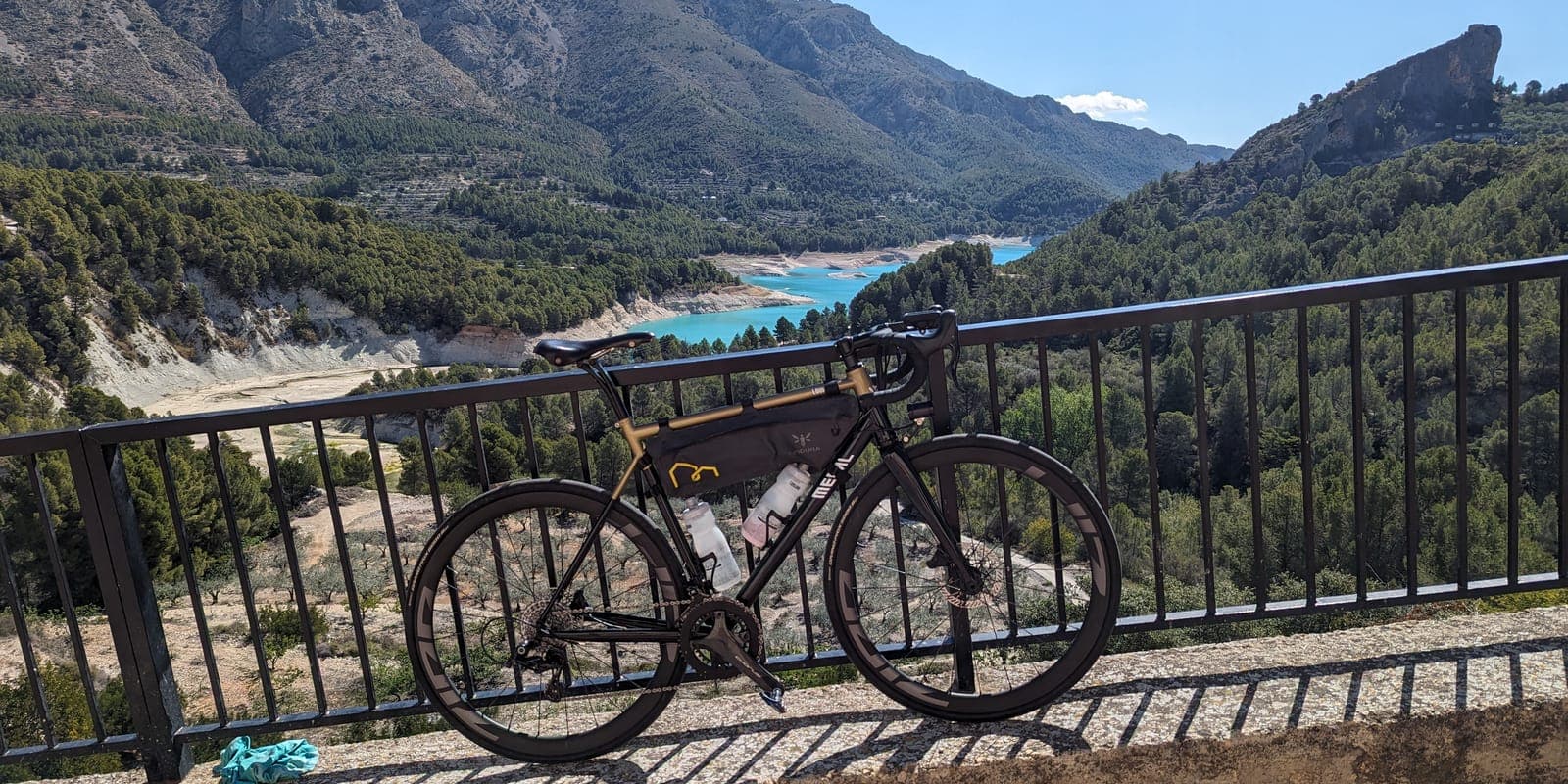
The used bike market is booming. Hundreds of thousands of bikes change hands every year on platforms like Facebook Marketplace, Craigslist, and Pinkbike. But there's a structural problem: buyers don't trust. And without trust, they negotiate.
Why used bikes sell below their value
It's not bad faith - it's rational. A used bike is a black box. Was the chain ever replaced? Are the brakes safe? The buyer doesn't know. So their first offer is often 20 to 30% below the asking price, just to cover the uncertainty. On a bike listed at $2,000, that's $400 to $600 gone.
The irony is that plenty of used bikes are in great shape. Well maintained, properly stored, with a clean history. But without proof, none of that matters in the negotiation.
What buyers actually check (and what they miss)
A buyer who shows up has already filtered by the listing. What they'll check in person is the visible stuff: paint condition, tires, chain. What they'll often miss or skip is everything else.
The cassette: asymmetrical, wave-shaped teeth indicate advanced wear. Not obvious at a glance, but $50-$250 to replace depending on the groupset. Brake pads: minimum thickness is etched on the calipers, but most buyers don't know where to look. Tires: a cracked sidewall on a bike that sat in a garage for two years can blow out on the first ride.
These points are covered in detail in our component wear articles. What matters here is that a buyer who doesn't know what to look for will negotiate out of caution. A buyer who's handed a clear file - services, dates, invoices - has no reason to. A complete file also speeds up the sale: fewer questions, fewer no-show visits, fewer lowballers who walk away.
Building a credible service file
A service file is simple in principle: every intervention on the bike, with a date and the mileage at the time. Chain replaced at 4,200 km. Shop service in March 2024. Front pads swapped in September.
In practice, few people do this from the start. The notebook gets lost, the spreadsheet sits empty after the first month, and receipts pile up in a drawer. Totally understandable. But that's exactly what costs you money at resale time.
The most reliable approach is centralizing everything in one place from the beginning. Scanned invoices, verified mileage from Strava or a bike computer, services logged with dates. Nothing fancy - just consistency. A bike with three years of clean records sells differently than one with "I always kept up with maintenance, trust me".
The maintenance certificate: your best selling argument
Showing invoices is good. Sharing a digitally signed certificate is a different level.
ChainLog generates a public certificate for each bike: mileage verified through Strava, component status with a health score out of 100, service history, invoices attached. The whole thing is digitally signed, which guarantees it hasn't been modified after generation. The buyer accesses it through a link or by scanning a QR code directly from the listing.
This isn't a gimmick. It's what turns "it's in good condition" into something verifiable. A buyer who sees a strong health rating, a chain replaced 800 km ago, and attached shop invoices has no real grounds to negotiate down.
Three years of records beat a promise every time
The best time to build a resale file is from the very first kilometer. Not the week before you post the listing.
Connect Strava, log your services, keep your invoices. Every service recorded today is a selling point in 2 or 3 years. And if you never sell, you'll at least have a clear picture of your bike's condition.